Inside Out
The 1978 Revolution carried an ideology that profoundly overshadowed Iran’s social institutions, positioning itself in opposition to the efforts of the previous fifty years.
The rise of Reza Shah Pahlavi in the mid-1920s brought extensive socio-political transformation. Traditional layers gradually faded, giving way to modernity; construction moved away from traditional systems and new residential typologies — such as apartment complexes — emerged as vessels for a modernizing society.
The Revolution sought to homogenize society. Life inside and outside the home took on two entirely different identities — each shaped by, and in opposition to, dominant ideologies. This duality materialized as a thick boundary separating interior and exterior, dividing residential space into “inside” and “outside” modes of living.
With a new generation, a form of structural resistance has taken shape. It no longer accepts the imposed duality and demands a spatial condition of its own. How can architecture respond?
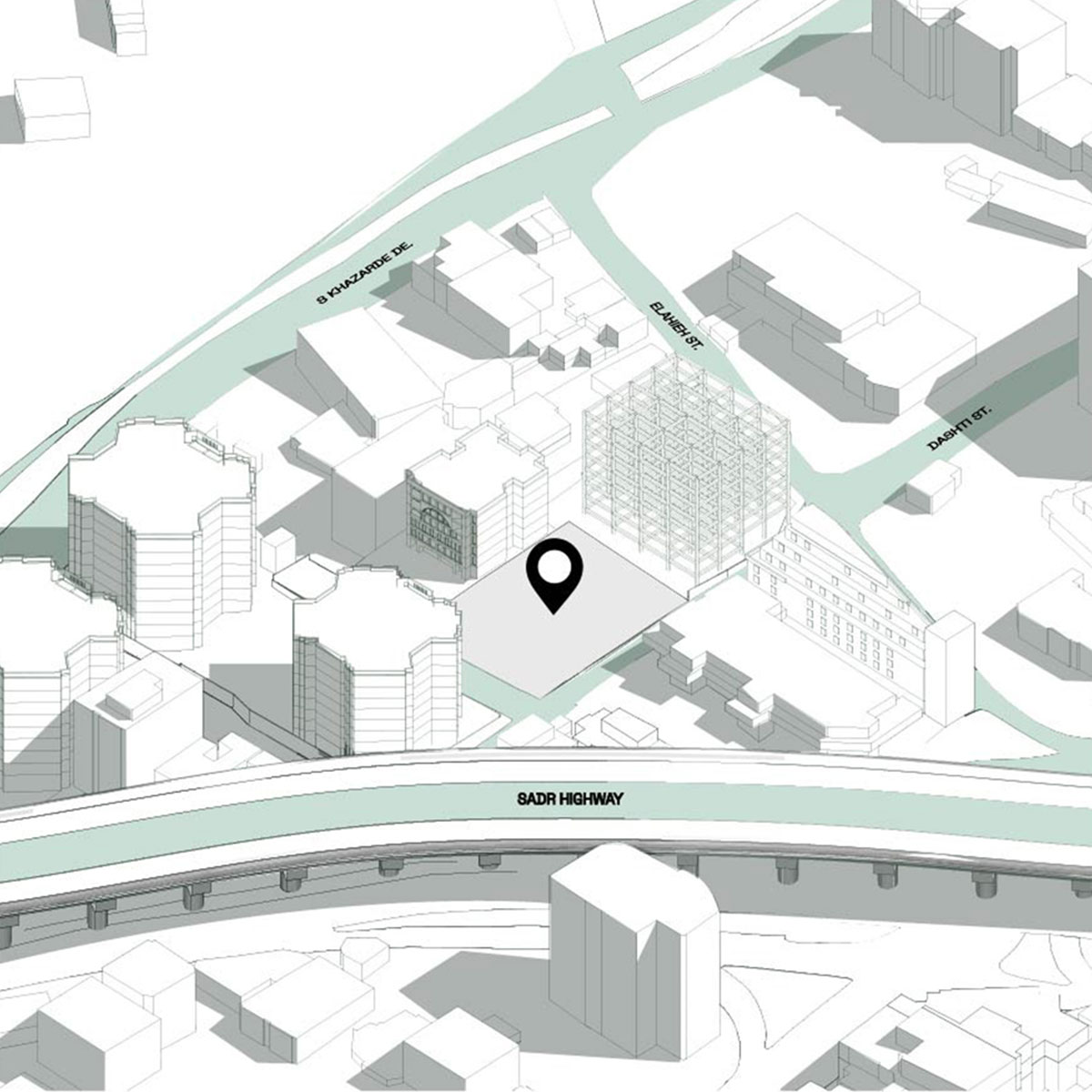
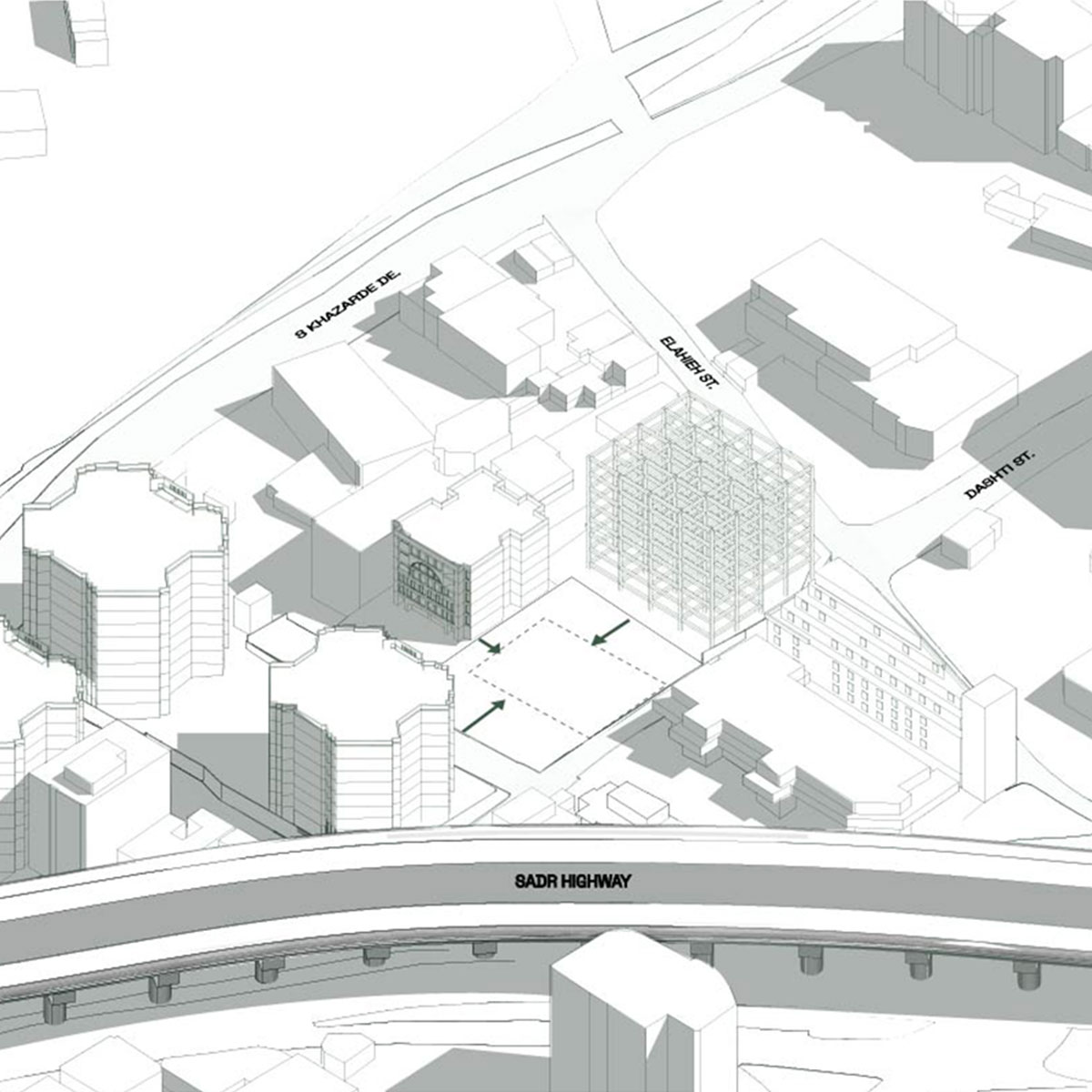
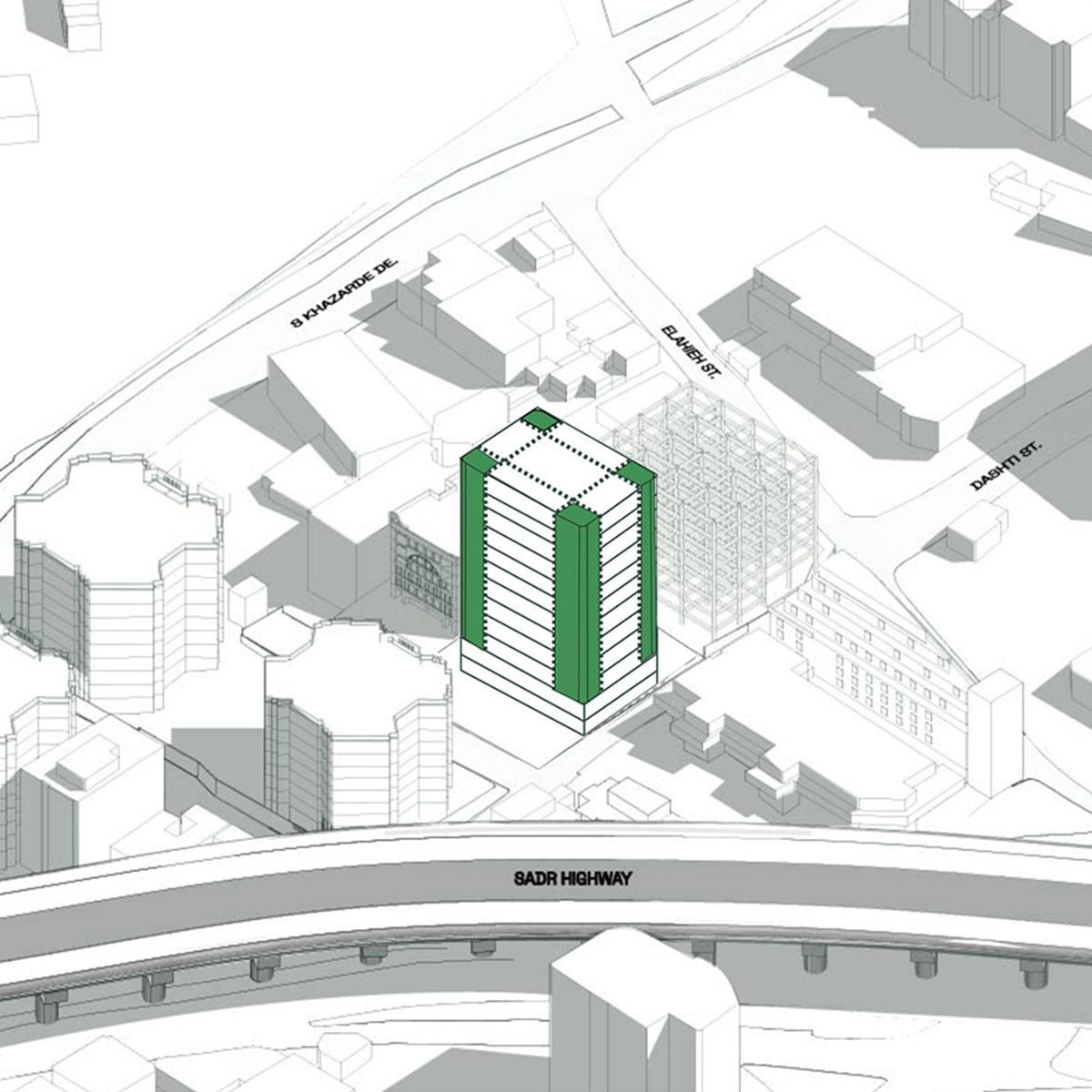
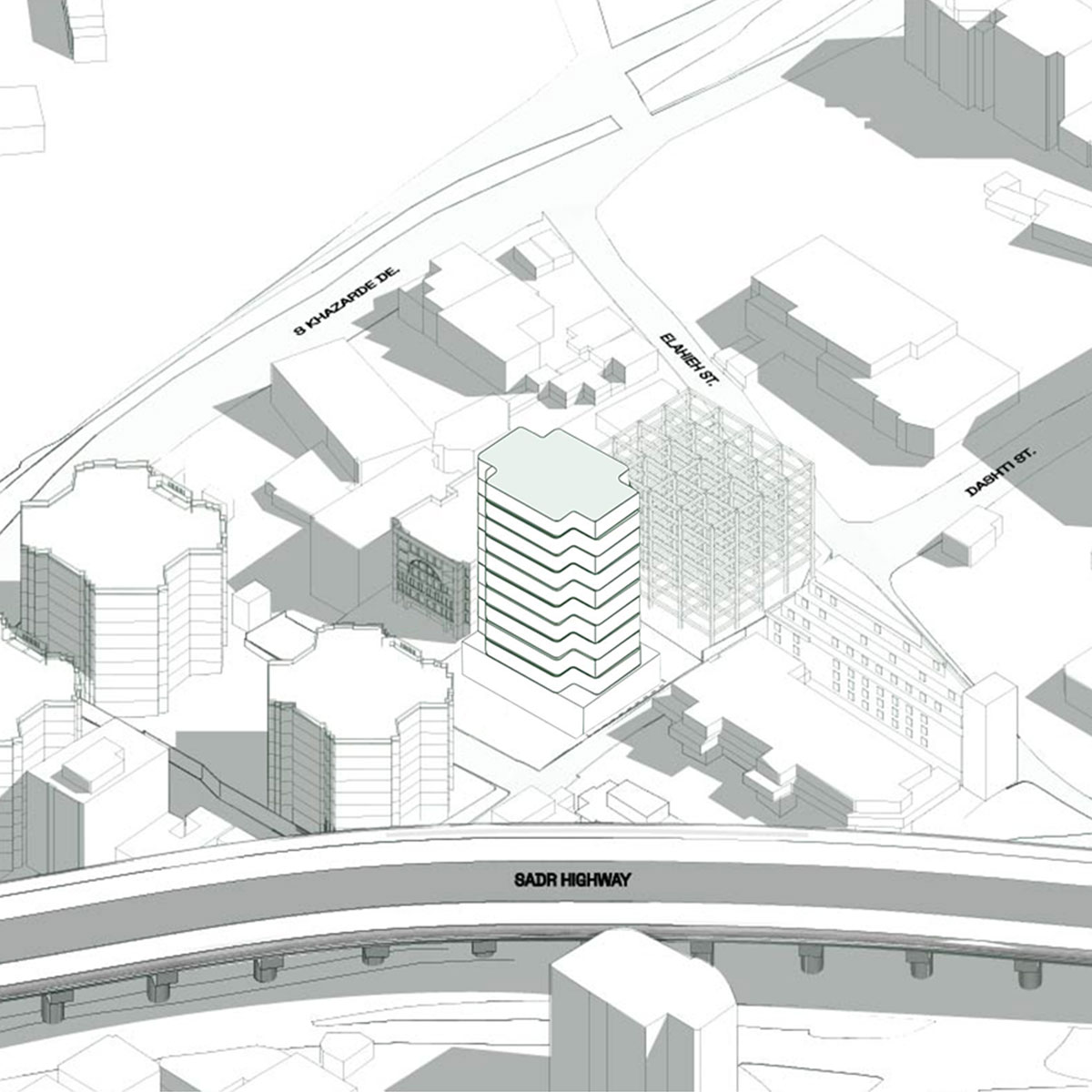
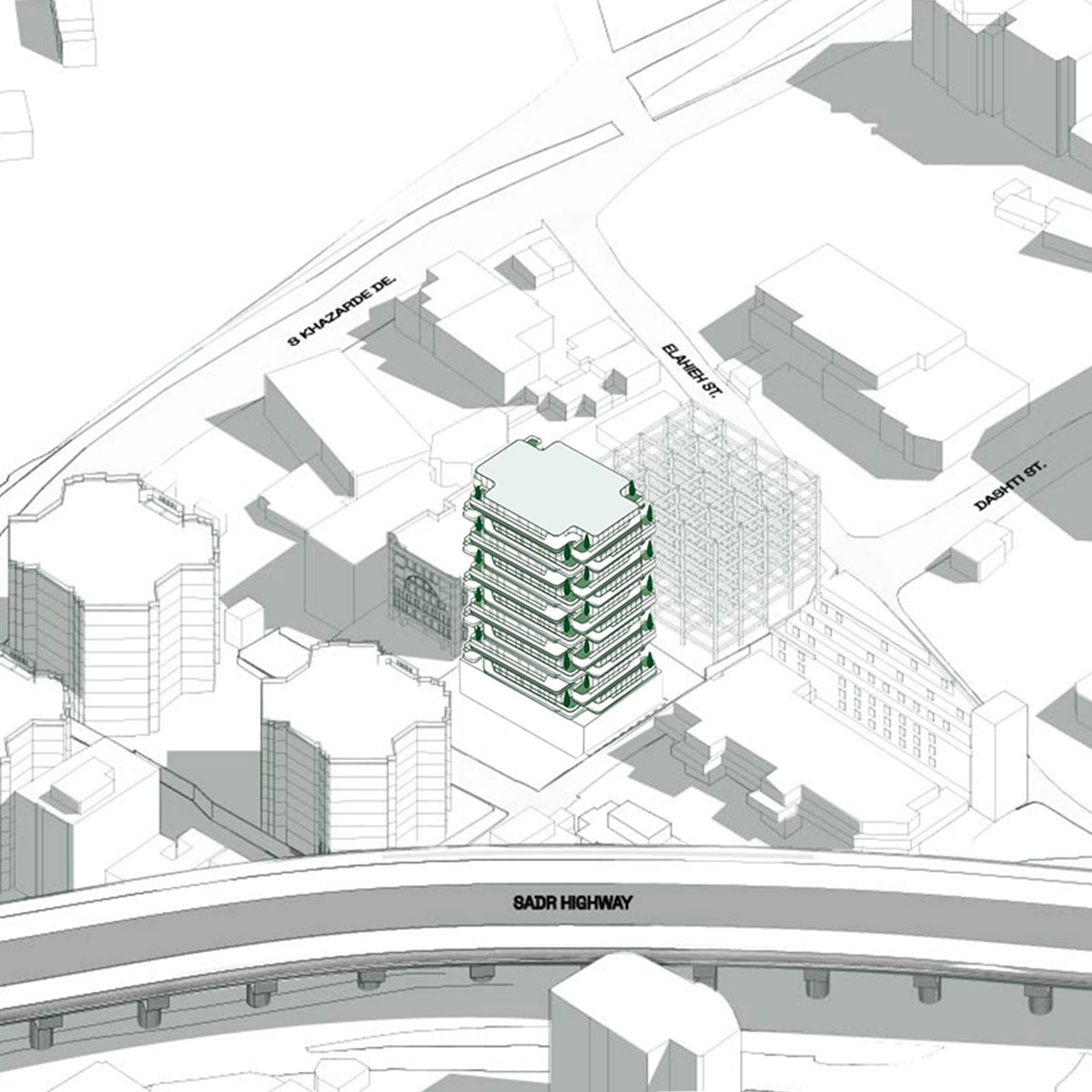
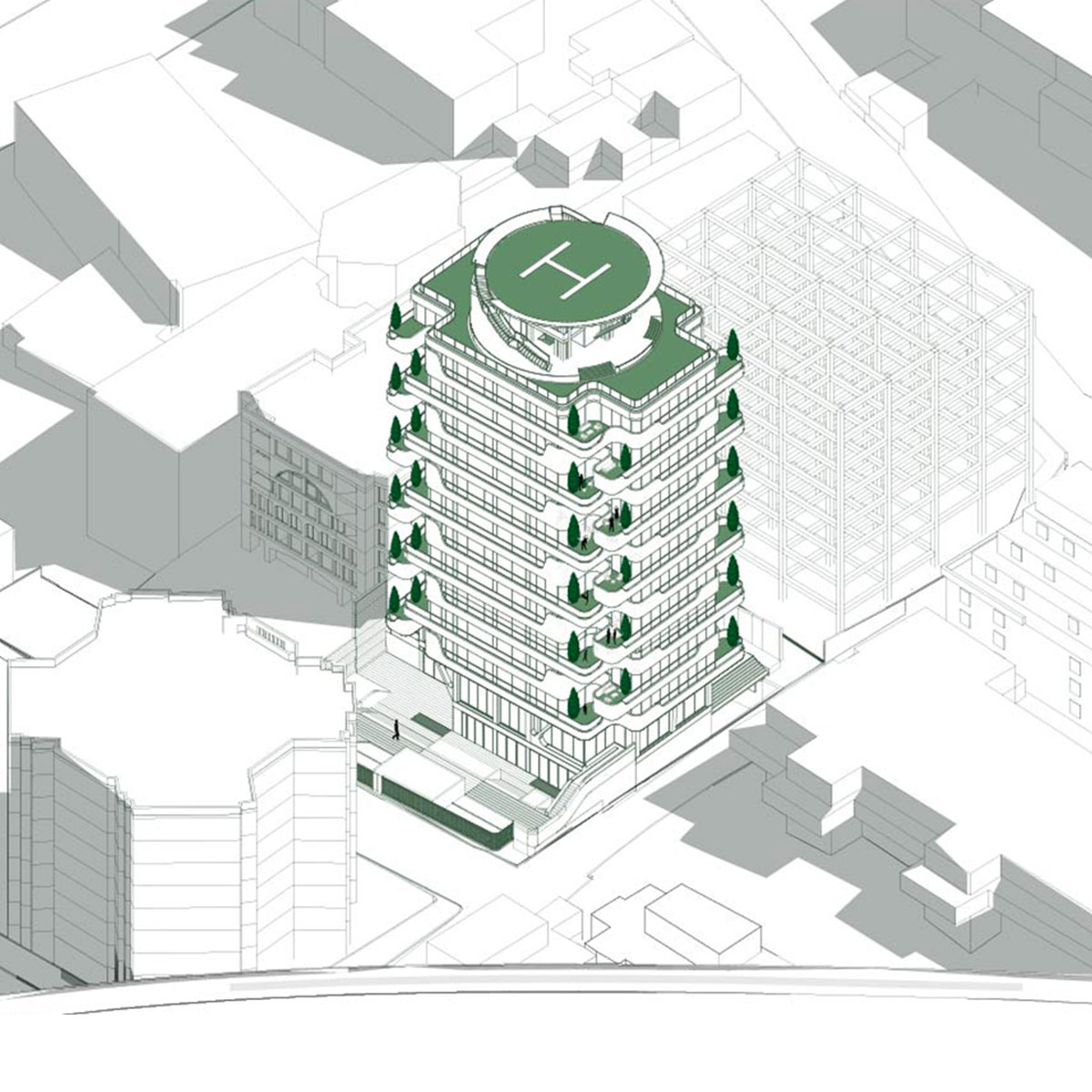
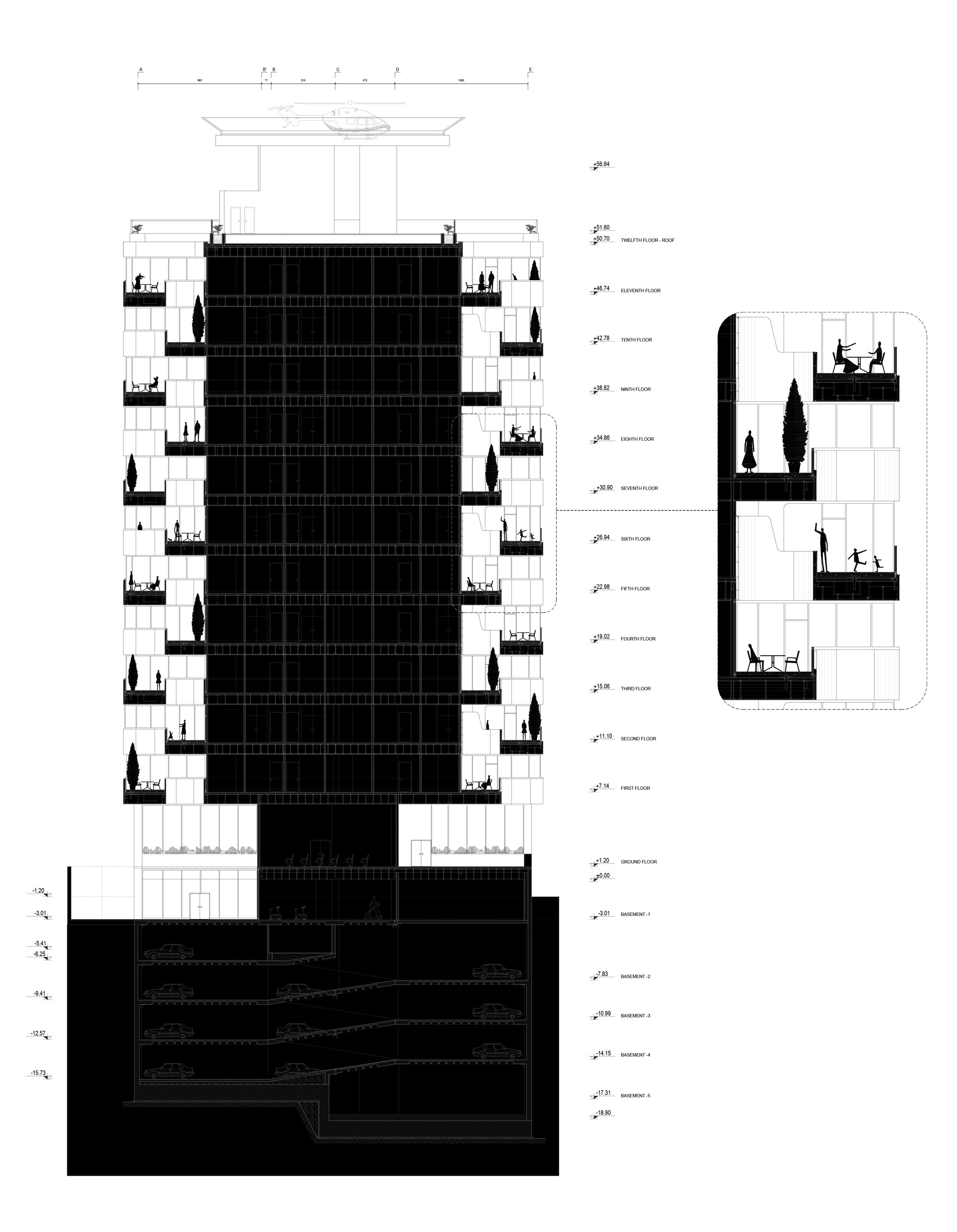
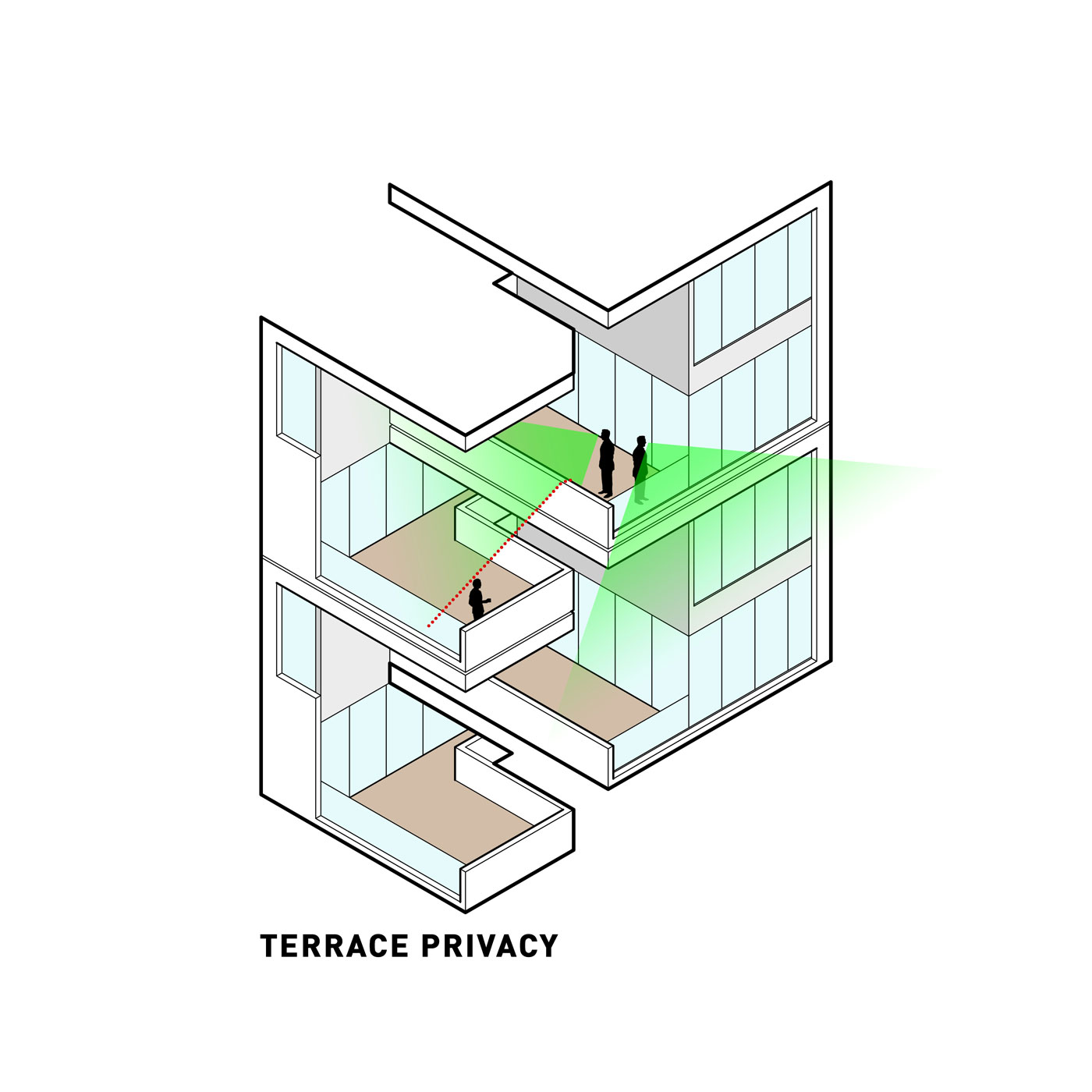
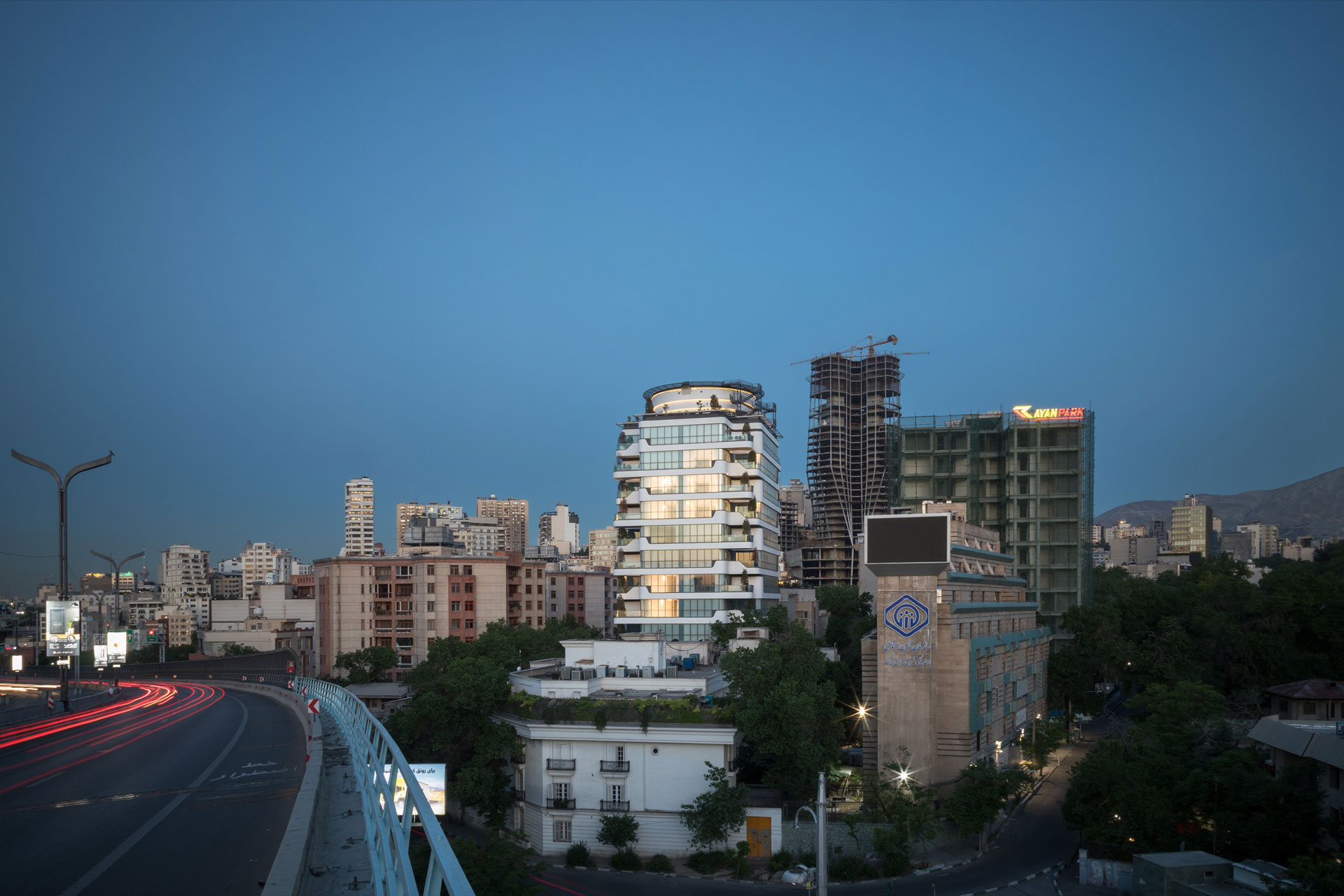
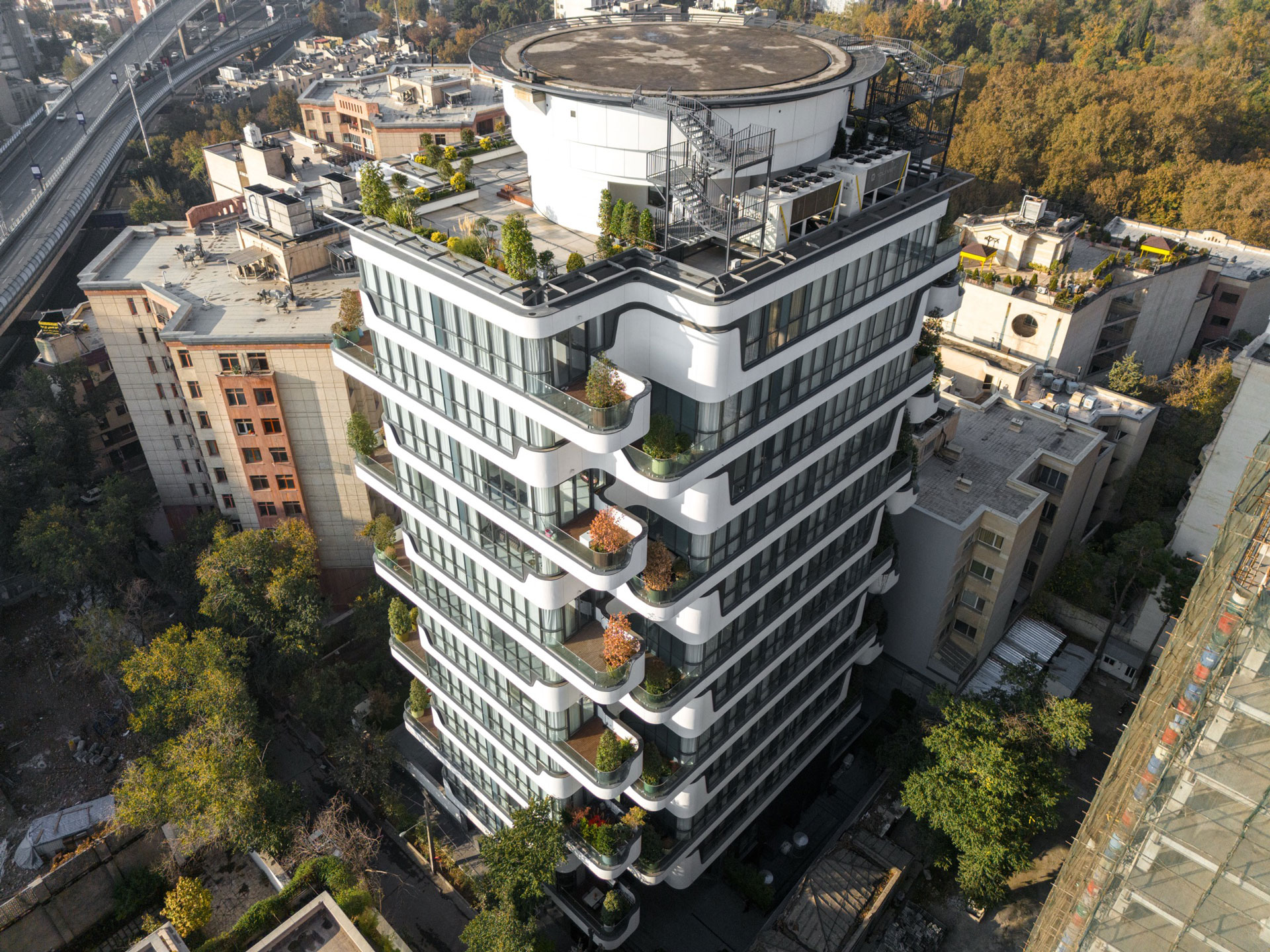
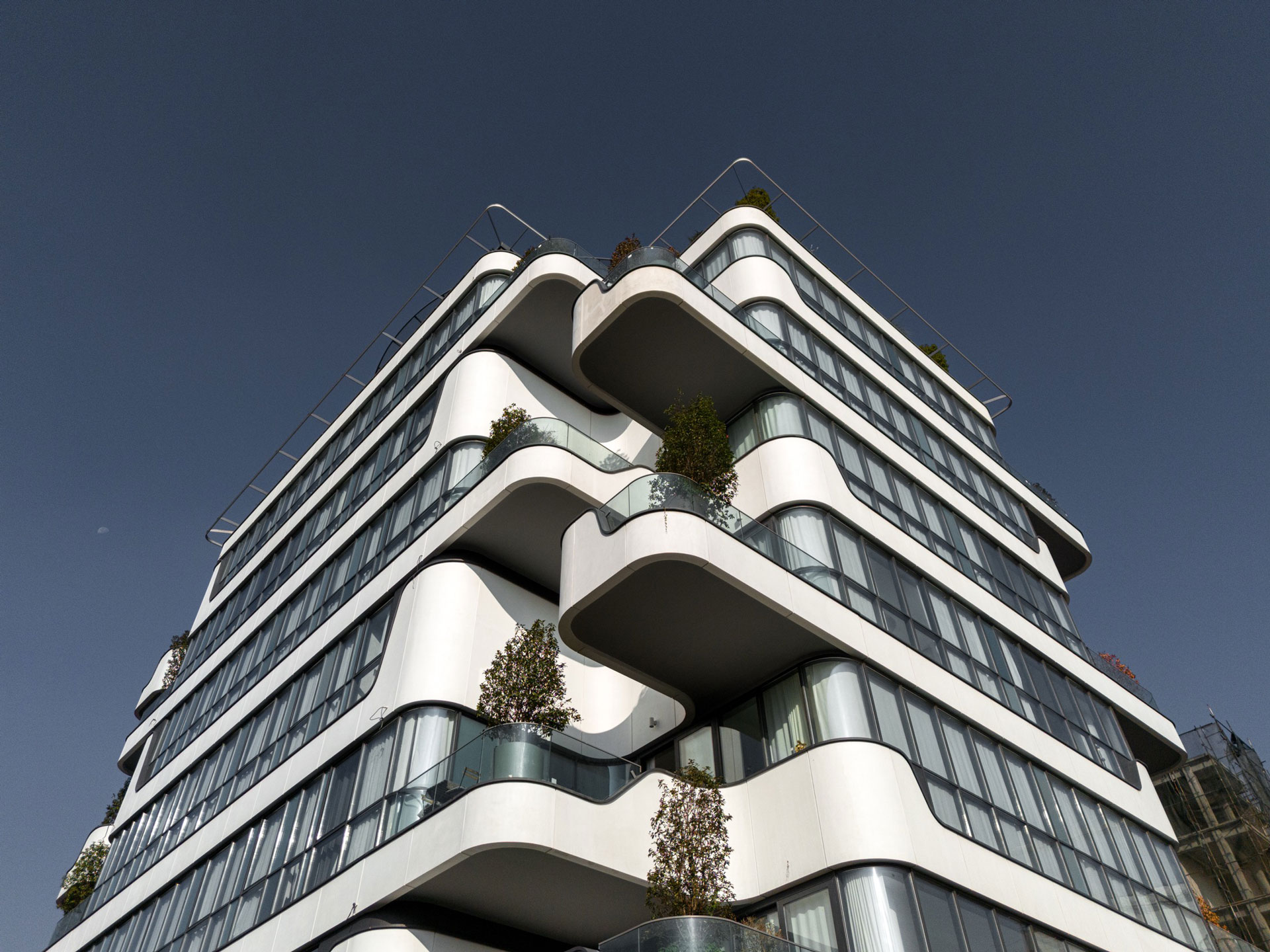
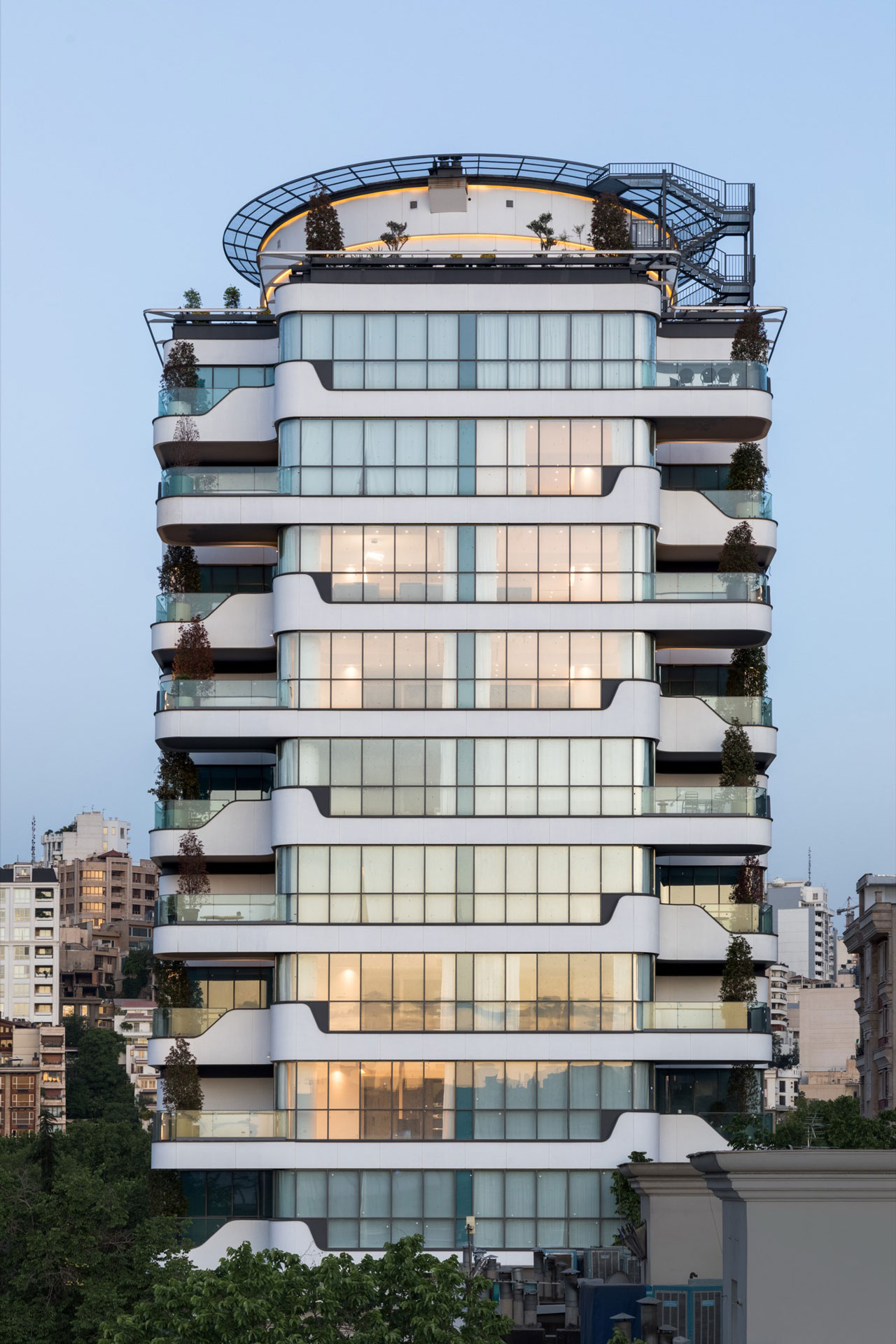
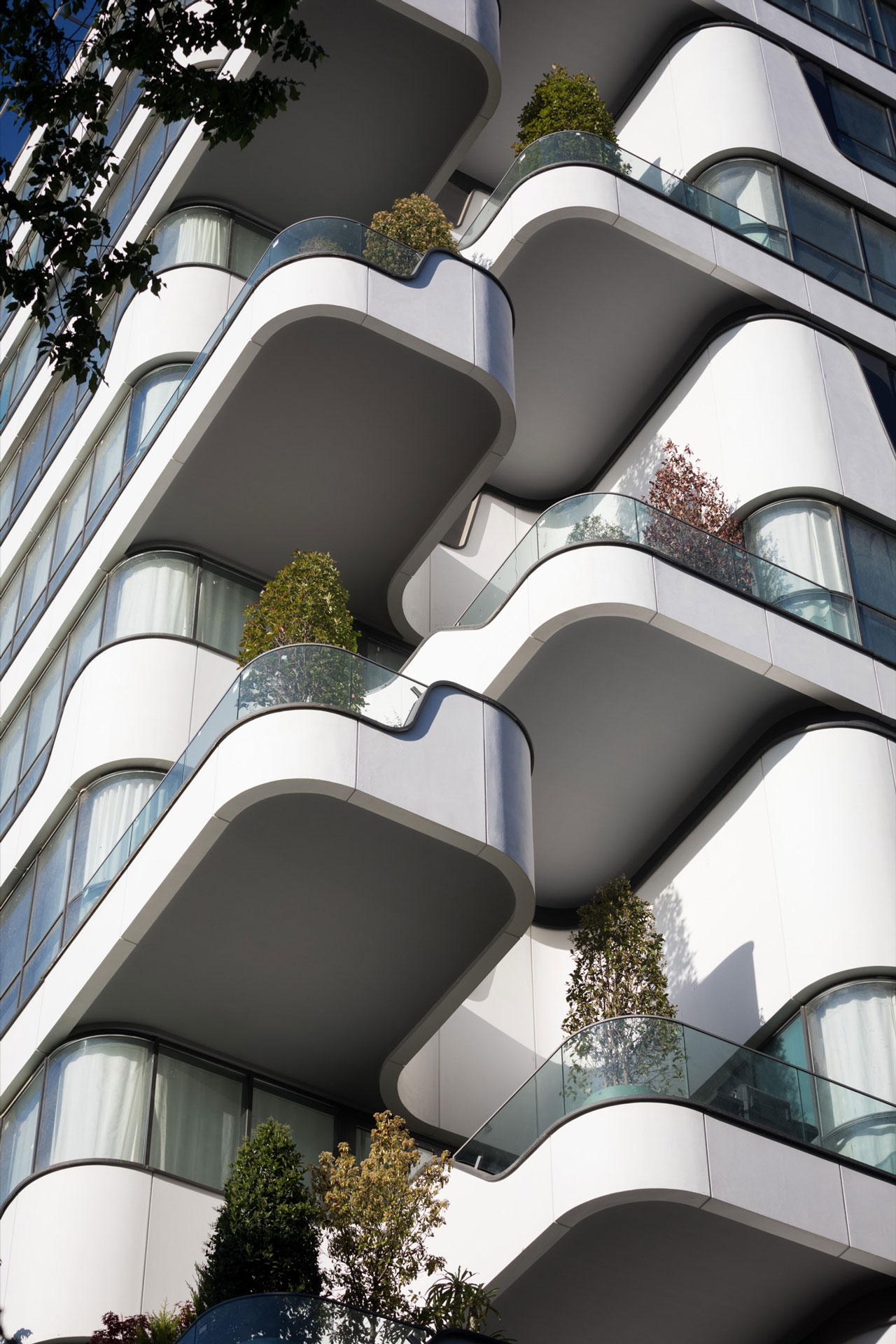
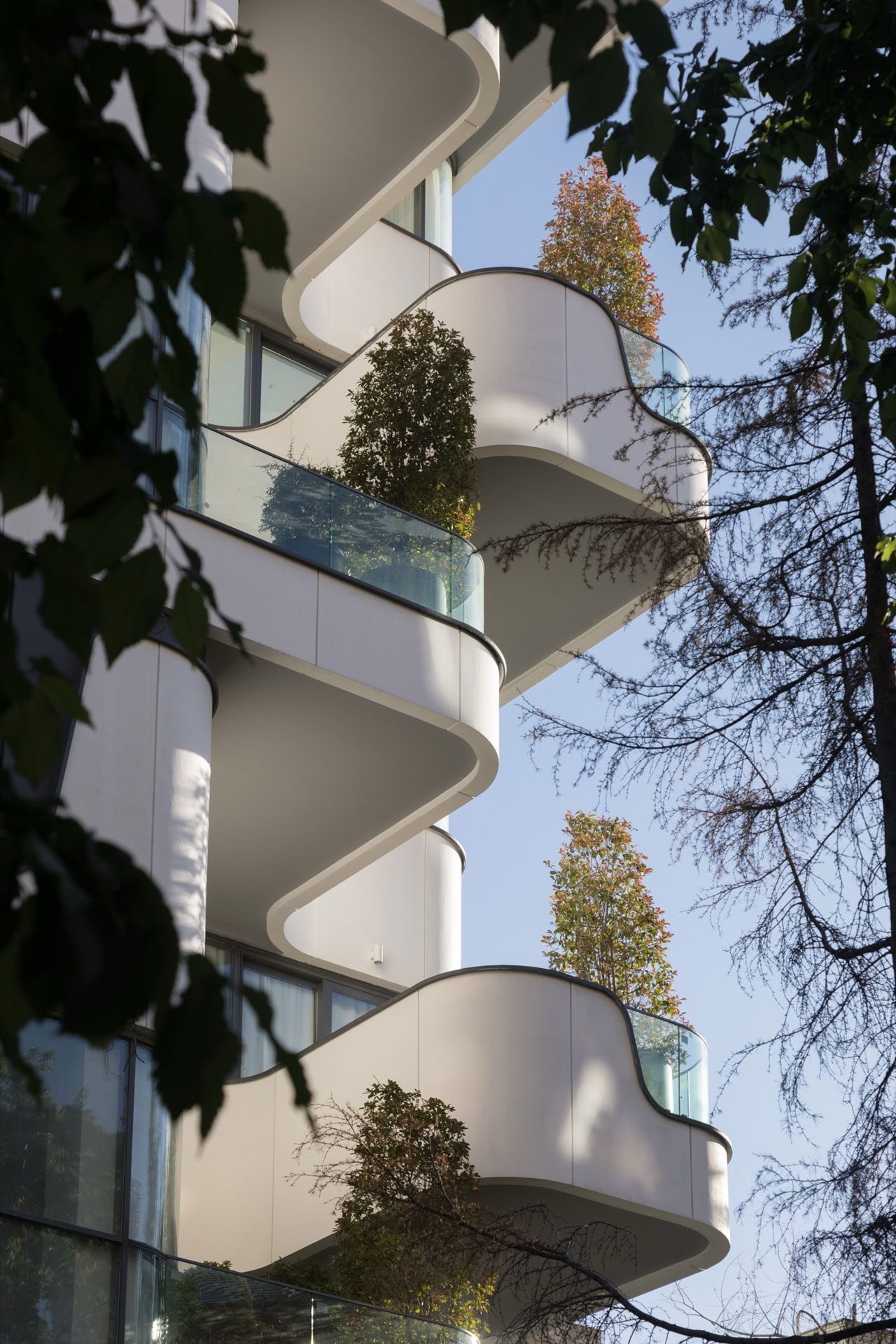
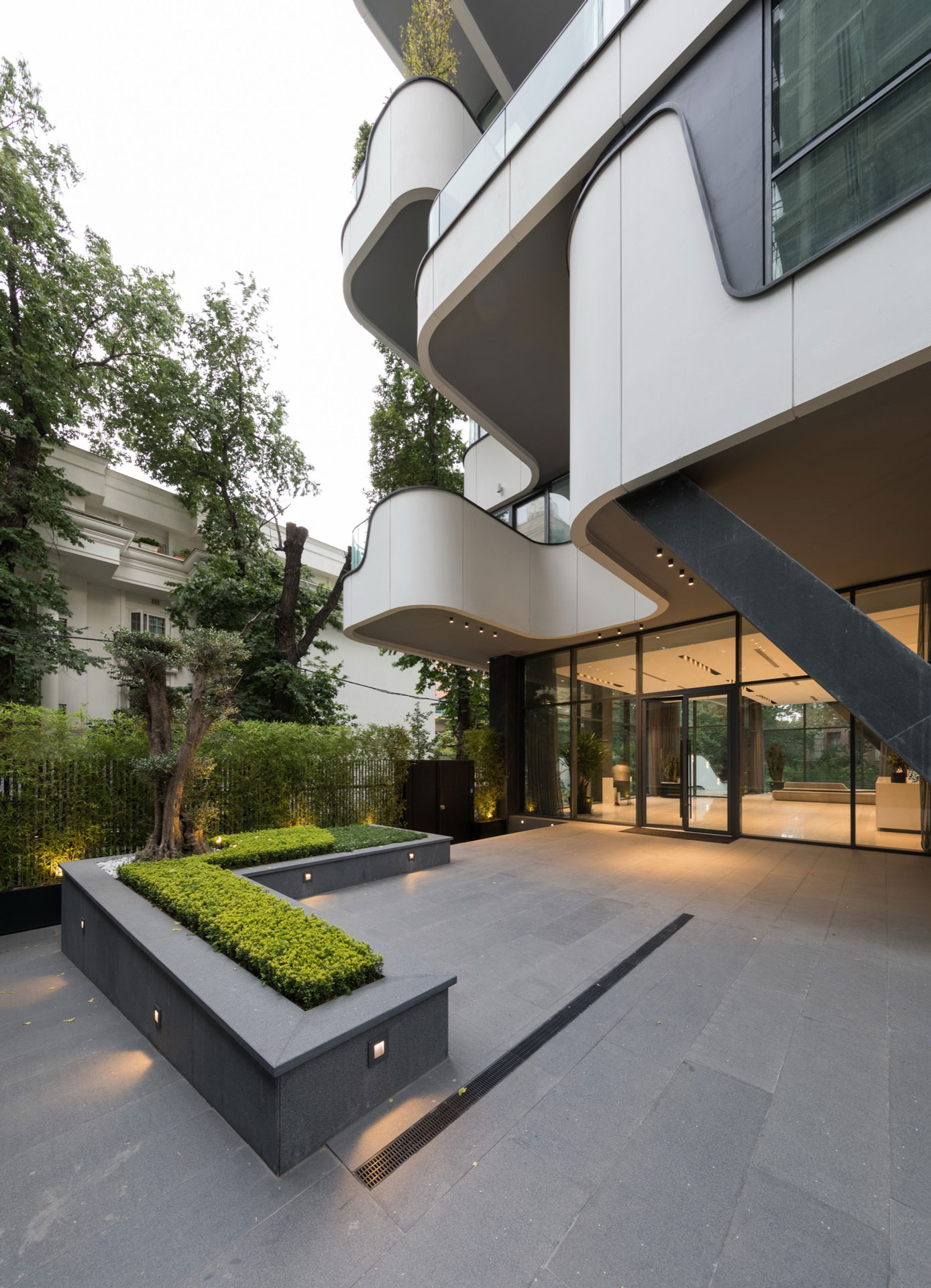
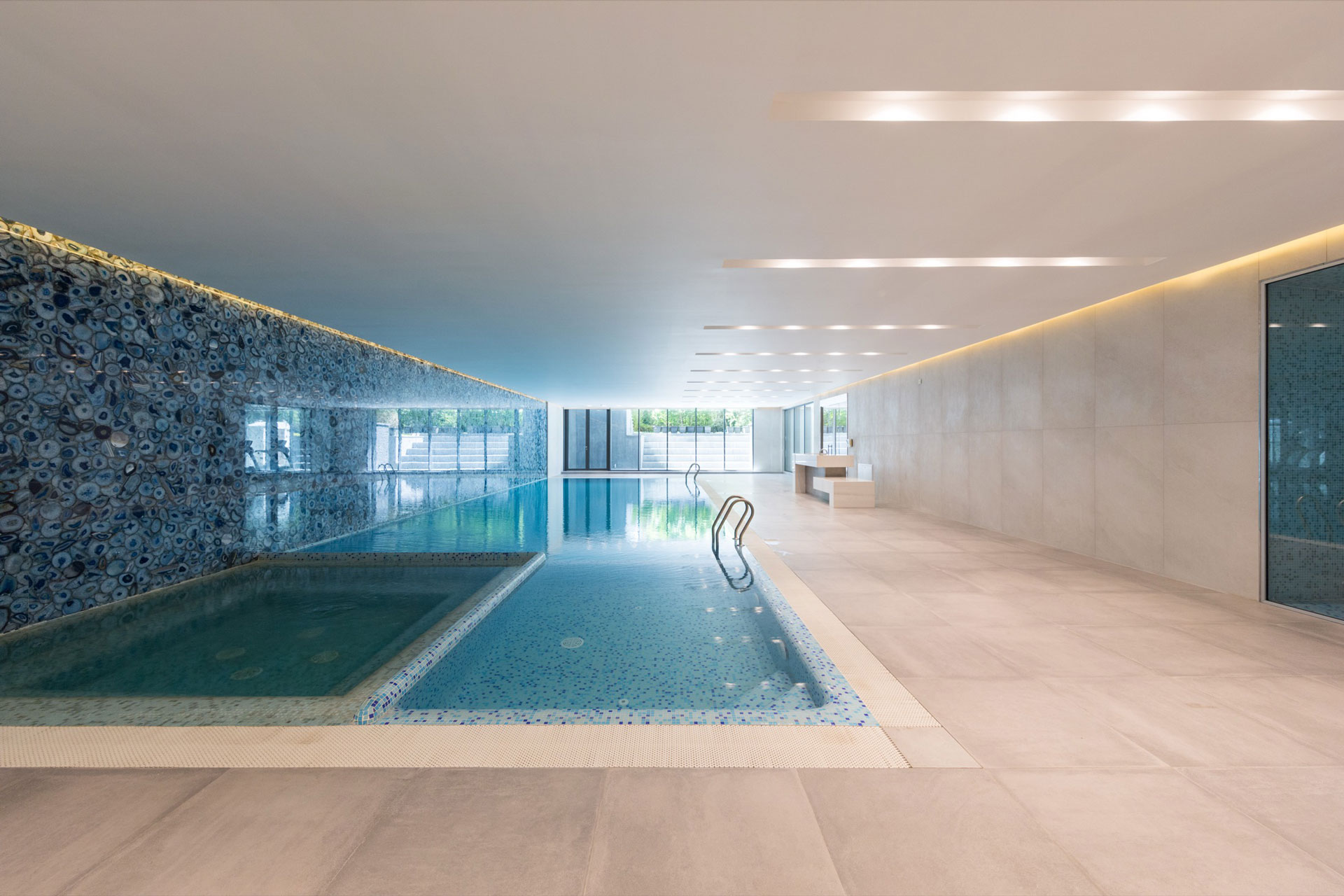
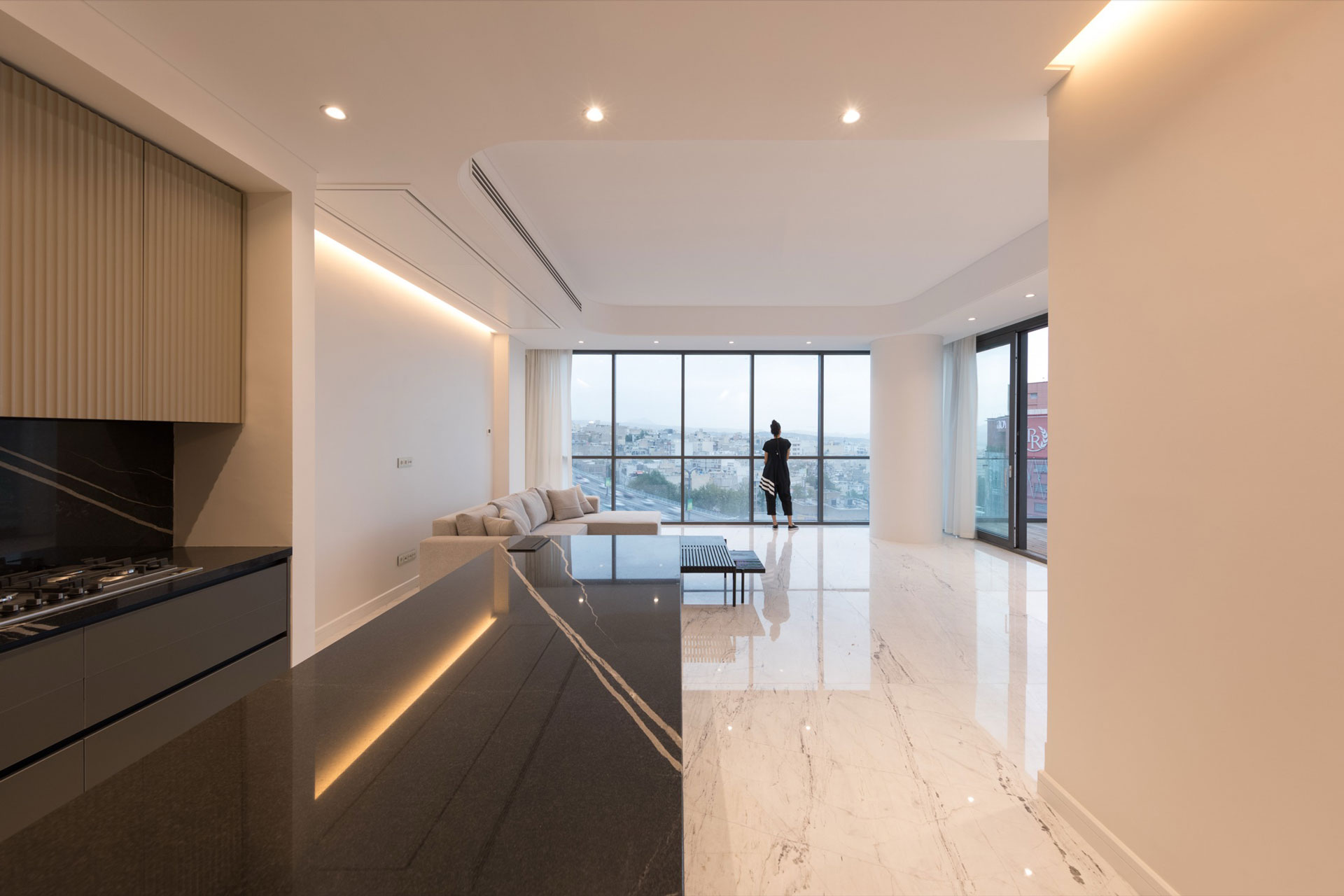
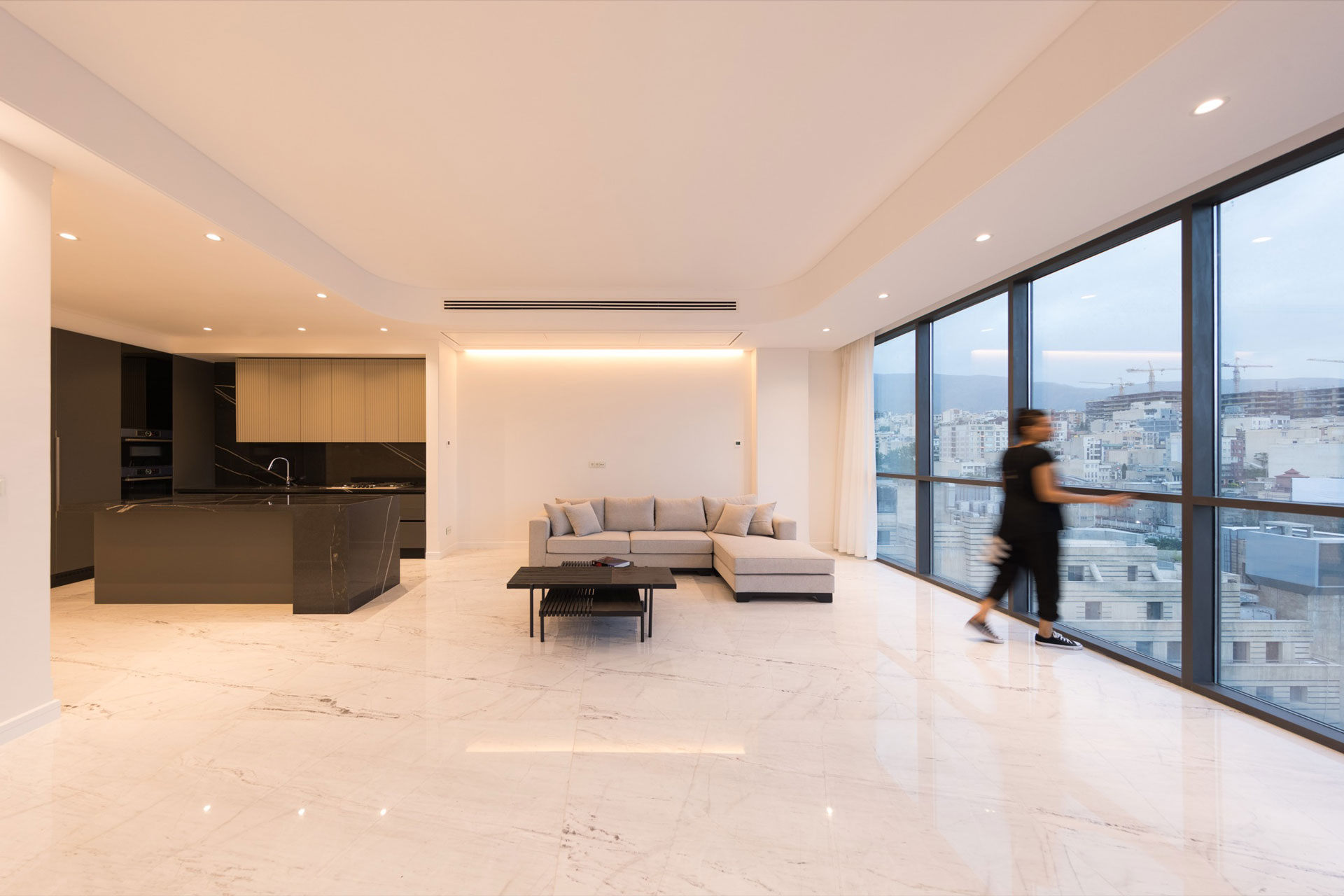
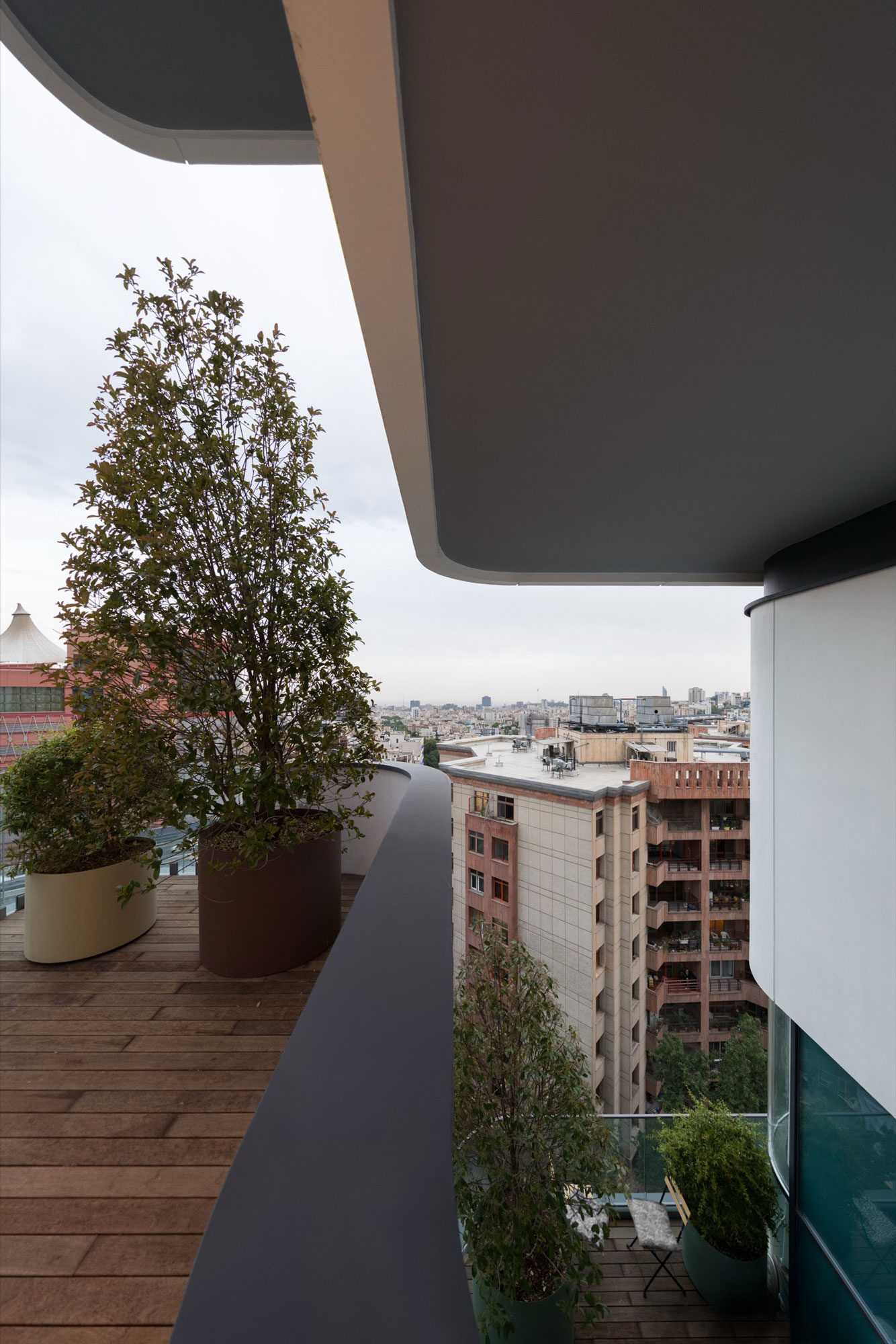
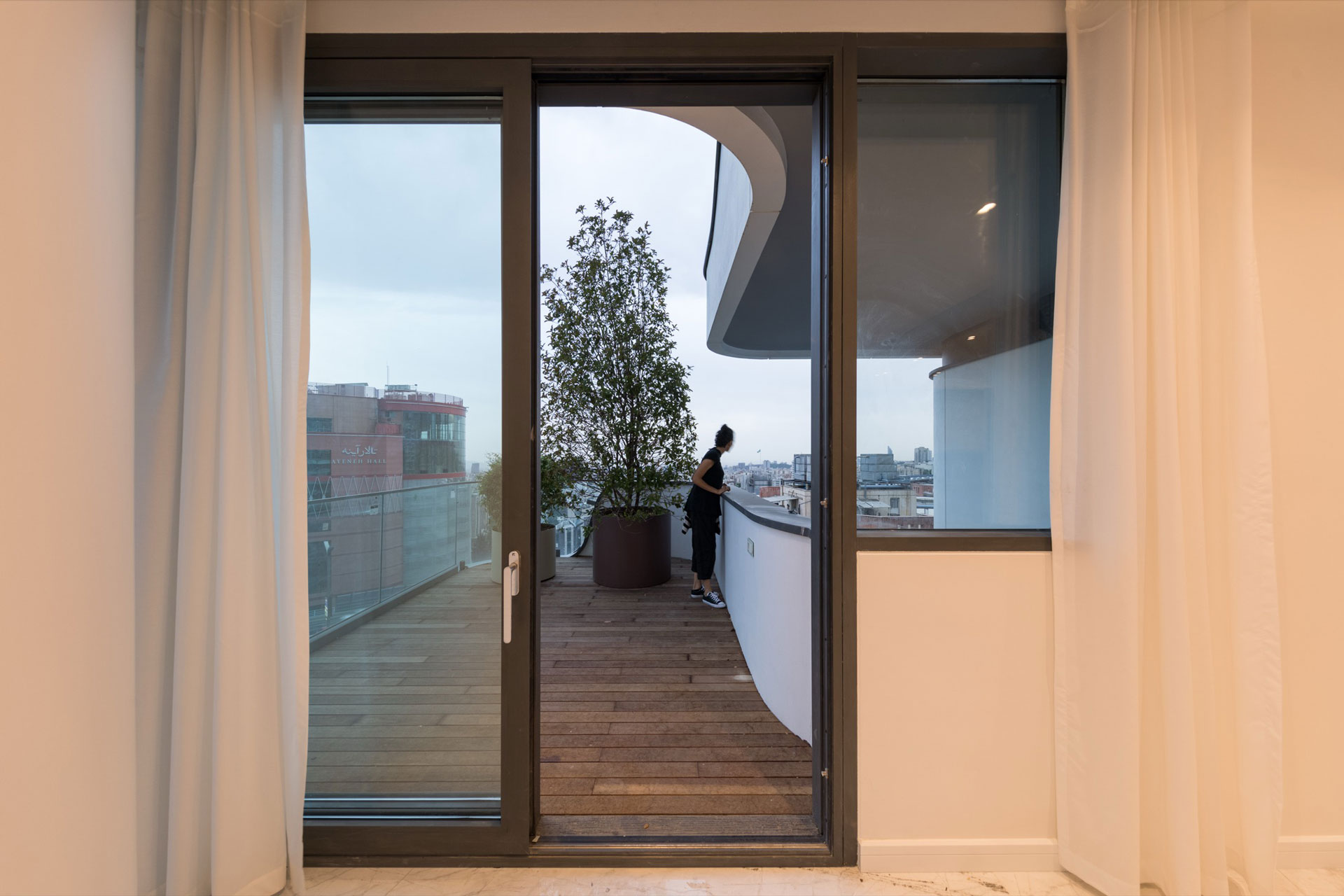
Charbagh Dashti is an attempt. We blur the thick boundary between inside and outside: double-height terraces act as intermediate spaces — mediators that dissolve the boundary, transforming inside and outside into one another.
-
Alireza Sherafati, Pantea Eslami
-
Mohammad Hassan Ettefagh, Parham Raoufi
-
Alireza Fazeli, Negar Saadat, Nastaran Hasani, Saman Soleymaniha, Malihe Gholizade, Shahin Taghdisian, Anahita Jam
-
Shabnam Azmoodeh, Jouya Javanshad